Water damage can turn into a complicated property insurance claim quickly, especially in older rowhomes, multifamily buildings, and commercial properties throughout Baltimore. A burst pipe, roof leak, appliance failure, or storm-related intrusion may leave property owners dealing with damaged materials while also trying to understand coverage, documentation requirements, and repair estimates.
A public adjuster can help property owners organize, document, and present a water damage claim while representing the policyholder’s interests during the insurance process. The goal is to identify covered damage, build a detailed claim, communicate with the insurance company, and help the property owner pursue the settlement available under the terms of the policy.
What local property owners should know
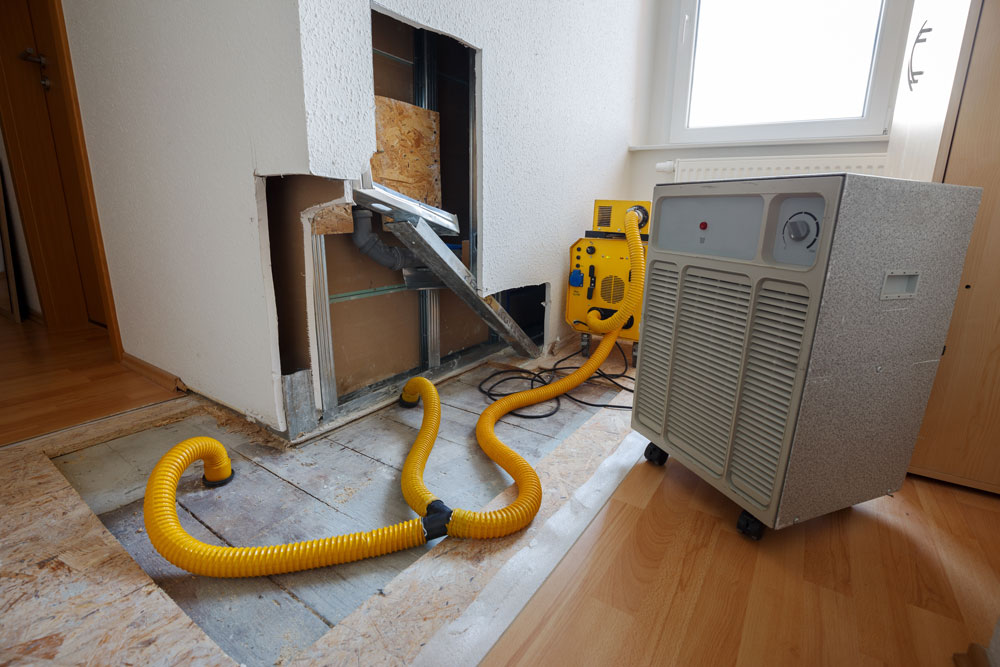
Water damage claims can involve more than visible standing water, including damage behind walls, under flooring, and inside ceilings.
Older rowhomes in neighborhoods such as Canton, Federal Hill, Hampden, and Charles Village may have plumbing, roofing, and building materials that make water losses more complicated to document.
Stormwater, roof drainage, plumbing failures, and winter pipe problems can create different insurance questions depending on how the water entered the property.
Property owners should document damage promptly and take reasonable steps to prevent additional loss when it is safe to do so.
A public adjuster works for the policyholder rather than the insurance company.
Why Water Damage Claims Matter for Baltimore Property Owners
Water damage claims matter for Baltimore property owners because dense construction, aging building systems, seasonal storms, and freezing winter temperatures can allow a relatively small water event to affect several areas of a property. Determining where the water traveled and what materials were damaged can be just as important as identifying where the leak started.
The city contains a wide range of properties, from historic rowhouses and converted multifamily buildings to newer apartments and commercial spaces. In tightly connected structures, water can travel through wall cavities, ceilings, flooring systems, and adjoining rooms before the full extent of damage becomes obvious.
Properties near the Inner Harbor and throughout the Chesapeake Bay region also experience periods of heavy rain and humid weather. These conditions do not automatically mean a loss is insured, but they can complicate drying, cleanup, and damage assessment after a covered water event.
Mid Atlantic Public Adjusters helps property owners navigate property insurance claims. After evaluating the circumstances of a loss and the applicable policy, we can help document the damage, organize supporting information, and communicate with the insurer on the policyholder’s behalf.
Local Field Observations About Water Losses
Local water losses often become more complicated when damage extends beyond the room where the initial leak or failure occurred. In our work with property claims, careful inspection and documentation are important because water can affect concealed building materials that may not be obvious during an initial walkthrough.
A supply line failure on an upper floor, for example, may affect flooring in one room, drywall below it, insulation inside an assembly, and finishes on the floor beneath. Similarly, a roof opening can allow water to travel along framing before stains become visible inside the property.
These are professional field observations rather than statistical claims. Every loss should be evaluated based on its specific cause, building conditions, policy language, and documented damage.
How Water Damage Can Affect a Local Property
Water damage can affect finishes, structural components, personal property, electrical areas, and the normal use of a home or business. For Baltimore property owners, the impact may be especially disruptive when several floors or units are involved.
Commonly affected materials can include drywall, plaster, hardwood, laminate, carpeting, insulation, cabinetry, trim, and ceiling finishes. Commercial properties may also face interruptions to tenant operations or access while damaged areas are dried and repaired.
The insurance claim should reflect the actual scope of covered damage rather than focusing only on the most visible stain, puddle, or broken component.
Warning Signs That a Water Damage Claim May Be More Extensive
Warning signs of a larger water loss include moisture appearing away from the original leak, damaged finishes, unusual odors, and changes in flooring or ceilings. Property owners should look beyond the immediate source when safely assessing the condition.
Common warning signs include:
Water stains spreading across a ceiling or wall
Hardwood or laminate flooring beginning to cup, swell, or separate
Paint or wallpaper bubbling after a leak
Soft or deteriorated drywall and plaster
Moisture appearing on a lower floor after an upstairs plumbing problem
Damaged cabinetry or baseboards near the affected area
Persistent damp or musty odors after visible water has been removed
Multiple rooms showing signs of the same water event
Visible conditions do not always show the complete extent of damage, so additional evaluation may be appropriate when moisture appears to have traveled into concealed areas.
When to Call a Public Adjuster
A property owner may consider calling a public adjuster when a water damage claim is substantial, difficult to document, disputed, or becoming difficult to manage directly with the insurance carrier. A public adjuster can help evaluate the loss from the policyholder’s perspective.
A small, straightforward claim may be manageable without outside claim representation. Larger losses can become more complicated when multiple rooms, floors, building systems, or categories of property are involved.
Professional help may also be useful when there are disagreements about the scope of damage, repair methods, estimates, or whether certain damaged materials relate to the covered event.
Common Causes of Local Water Damage Claims
Common water damage claims in the Baltimore area can result from plumbing failures, roof leaks, appliance problems, heating-system issues, and storm-related water intrusion. The cause of the damage matters because insurance policies may treat different types of water events differently.
1. Plumbing failures
Burst pipes, failed fittings, leaking supply lines, and other plumbing problems can release water quickly. Older buildings may contain plumbing systems that have been repaired or modified numerous times over the life of the property.
2. Frozen or damaged pipes
Winter temperatures can create pipe problems in poorly insulated areas, exterior walls, vacant properties, basements, and other vulnerable spaces.
3. Roof and flashing problems
Water entering through a damaged roof, flashing, or another opening may travel before appearing indoors. Rowhomes in neighborhoods such as Fells Point and Patterson Park can have roof configurations where tracing the source requires careful inspection.
4. Appliances and fixtures
Water heaters, washing machines, dishwashers, toilets, sinks, and refrigerator supply lines can all produce significant interior damage when a component fails.
5. Storm-related intrusion
Heavy rain and wind can expose weaknesses in roofs, windows, drainage systems, and exterior building components. Coverage depends on the circumstances and policy language, so the source of the water should be documented carefully.
Steps Property Owners Can Take After Water Damage
Property owners should prioritize safety, stop additional damage when reasonably possible, and document the condition before major cleanup or repairs change the scene. Careful early documentation can make the insurance claim easier to understand later.
Take photos and videos of affected rooms, damaged materials, and visible water when it is safe. Keep damaged items when practical until the insurance process allows disposal, especially when their condition may help demonstrate the loss.
Save invoices, emergency service records, mitigation documents, repair estimates, and communications related to the event. Avoid making assumptions about what is or is not covered before reviewing the policy and circumstances.
DIY efforts should stop when electrical hazards, contaminated water, unsafe ceilings, structural concerns, or significant concealed moisture may be involved.
What to Expect From a Public Adjuster
A public adjuster can help document the loss, review policy provisions, prepare claim information, and communicate with the insurer on behalf of the property owner. The exact services depend on the circumstances of the claim and the agreement between the property owner and adjuster.
For a significant Baltimore water damage loss, this process may include reviewing damaged areas, identifying potentially affected materials, organizing photographs and supporting records, developing a repair scope, and addressing claim questions with the carrier.
A public adjuster does not replace contractors or other specialists who may be needed to perform mitigation, testing, or repairs. Instead, the adjuster focuses on the insurance claim and the policyholder’s interests during that process.
Common Water Damage Claim Mistakes
Common claim mistakes include incomplete documentation, disposing of damaged materials too early, overlooking hidden damage, and accepting a scope without understanding what it includes. A more organized approach can reduce confusion during the claim.
Mistake: Photographing only the source of the leak. Consequence: Damage in surrounding rooms or building assemblies may be poorly documented. Better approach: Photograph the source, affected surfaces, nearby rooms, and the path the water appears to have traveled.
Mistake: Throwing away damaged materials immediately. Consequence: Evidence supporting the extent of the loss may disappear. Better approach: Document items thoroughly and confirm when disposal is appropriate.
Mistake: Focusing only on visible cosmetic damage. Consequence: Related damage beneath flooring, above ceilings, or behind walls may receive less attention. Better approach: Evaluate the full affected area when conditions indicate water may have traveled.
Mistake: Assuming every type of water damage is covered. Consequence: Property owners may develop unrealistic expectations about the claim. Better approach: Review the policy and specific cause of loss before drawing conclusions about coverage.
A Common Local Water Damage Scenario
A common local scenario involves a plumbing failure on an upper floor of a rowhome that damages more than one level before the water is shut off. The visible problem may begin in a bathroom or kitchen while staining and moisture later appear in ceilings, walls, and flooring below.
In this type of situation, the claim may need to account for several affected rooms and different building materials. The policyholder may also receive estimates that differ in scope or repair approach.
This example is a general scenario, not a Mid Atlantic Public Adjusters case study or a representation of any specific client result.
Related Public Adjuster Services
Public adjuster services can help property owners manage documentation and claim presentation when a water loss becomes complicated or substantial. Depending on the circumstances, we may assist with reviewing the policy, documenting property damage, preparing a detailed claim, evaluating estimates, and communicating with the carrier.
DIY Claim Handling vs. Working With a Public Adjuster
Handling a claim yourself may make sense for a minor and straightforward loss, while professional claim representation may be useful when the damage, documentation, or insurance process becomes complex. The right choice depends on the size and circumstances of the claim.
A property owner managing the claim alone is responsible for documenting the damage, reviewing insurer requests, evaluating estimates, tracking communications, and understanding applicable policy provisions.
When working with a public adjuster, the policyholder has a licensed claim professional representing their side of the insurance claim. Property owners should understand the adjuster’s services, agreement, and fees before hiring one.
Service Areas
We assist property owners in Baltimore and surrounding Maryland communities with property insurance claims, subject to the circumstances of the loss and our service availability. Property owners in Baltimore County and nearby communities can contact us to discuss whether public adjusting services are appropriate for their situation.
The Cost of Waiting on a Water Damage Claim
Waiting too long to address water damage can make documentation, mitigation, repair planning, and claim communication more difficult. Property owners should act promptly to protect the property and preserve information about the condition after the loss.
Damage can change as materials dry, repairs begin, or affected items are removed. Prompt photographs, records, and professional evaluations can help establish what happened and what portions of the property were affected.
Frequently Asked Questions About Water Damage Insurance Claims
Can a public adjuster help with a water damage claim in Baltimore?
Yes, a public adjuster can represent a Baltimore property owner during a water damage insurance claim. The adjuster may review the policy, document damaged property, prepare claim information, evaluate repair scopes, and communicate with the insurance carrier while representing the policyholder rather than the insurer.
Does homeowners insurance cover every type of water damage?
No, homeowners insurance does not automatically cover every type of water damage. Coverage depends on the cause of the loss, the policy language, exclusions, endorsements, and other circumstances. Sudden plumbing damage may be treated differently from flooding, groundwater, repeated leakage, or maintenance-related conditions.
What should I document after water damage in a Baltimore rowhome?
Document the source, affected rooms, damaged materials, and any areas where water traveled between floors or through walls. Take clear photos and videos before conditions change, preserve relevant receipts and invoices, and keep records of emergency mitigation or repairs performed at the Baltimore property.
When should I contact a public adjuster in Maryland?
Consider contacting a public adjuster when the claim is significant, involves several damaged areas, becomes disputed, or requires more documentation than you feel comfortable managing. Property owners can also seek help when they have questions about estimates, repair scopes, or communication with the insurer.
Can water damage spread between floors of a Baltimore rowhouse?
Yes, water can move between floors through ceilings, wall cavities, framing, openings around utilities, and other building assemblies. Because many Baltimore rowhouses have multiple levels and closely connected rooms, damage from an upstairs leak may become visible in areas below the original source.
Should I repair water damage before the insurance company sees it?
Take reasonable steps to prevent additional damage, but document the property carefully before permanent repairs significantly alter the condition whenever possible. Emergency mitigation may be necessary, especially when safety or continuing water intrusion is involved. Save photographs, damaged materials when practical, invoices, and repair records.
Can a public adjuster negotiate with my insurance company?
A public adjuster can communicate with the insurance company and advocate for the policyholder regarding the documented claim. This can include discussing the scope of damage, estimates, supporting documentation, and other claim issues. Coverage and payment remain governed by the insurance policy and circumstances of the loss.
Are storm-related water claims common concerns for Maryland property owners?
Storm-related water intrusion is an important concern for Maryland property owners because heavy rainfall and wind can expose vulnerable roofing, drainage, windows, and exterior components. Whether resulting damage is covered depends on how the water entered the property and the specific terms and exclusions in the insurance policy.
Protect Your Property and Your Water Damage Claim
A carefully documented claim can help Baltimore property owners understand the full extent of a water loss and communicate it clearly during the insurance process. We help policyholders navigate complicated property claims while keeping the focus on the documented damage and applicable policy.
A severe storm can leave Baltimore homeowners facing roof damage, fallen branches, water intrusion, broken windows, and questions about what insurance may cover. Before cleanup or repairs move too far, taking a few careful steps can make it easier to understand the damage and preserve useful information for a possible claim.
What Should You Do Before Filing a Storm Damage Insurance Claim?
Before filing a storm damage insurance claim, make sure your family is safe, document the property thoroughly, prevent additional damage when you can do so safely, review your policy and deductible, and create a written inventory of what was damaged. Avoid permanent repairs or throwing away damaged materials until they have been properly documented.
What Baltimore Homeowners Should Know
Photograph and record video of storm damage before moving, cleaning, or repairing affected materials whenever conditions are safe.
Baltimore-area storms can produce several types of damage at once, including wind damage, water intrusion, fallen-tree damage, and basement water problems.
Keep receipts for temporary repairs, emergency supplies, lodging, and other storm-related expenses that may become relevant to your claim.
Check your declarations page for deductibles and review whether different provisions apply to wind, water, or other causes of loss.
Make temporary repairs only when necessary to protect the property from additional damage, and document those repairs carefully.
Why Major Storm Damage Matters in Baltimore
Major storm damage matters in Baltimore because older housing, mature street trees, dense neighborhoods, heavy rain, and strong winds can create complicated losses involving several parts of a property. A damaged roof in Canton, Roland Park, or Federal Hill, for example, can lead to interior moisture that is not immediately visible.
Rowhomes present their own challenges. Water entering through a roof, flashing, exterior wall, or shared building connection can travel beyond the area where the first stain appears. Properties with basements may also experience water intrusion during intense rainfall.
Mid Atlantic Public Adjusters works with property owners dealing with insurance claims after covered losses. When homeowners need professional assistance understanding, documenting, or presenting a property claim, we can help evaluate the loss from the policyholder’s perspective.
Local Data and Professional Field Observations
Maryland Insurance Administration guidance recommends that property owners document storm damage with photographs or video, retain receipts, prepare an inventory of damaged property, and be present when the insurance adjuster inspects the home when possible. It also advises homeowners to make only repairs needed to prevent further damage before the insurer’s inspection rather than moving immediately into permanent repairs.
For Baltimore homeowners, that can mean placing a temporary covering over an exposed roof, securing a broken opening, or taking reasonable steps to limit continued water intrusion while preserving photographs and records of the original damage.
How Storm Damage Can Affect Baltimore Homes
Storm damage can affect Baltimore homes well beyond the obvious missing shingles or fallen tree limbs because water and wind can reach roofing assemblies, ceilings, insulation, walls, flooring, electrical components, and personal property. Damage that appears manageable immediately after a storm can therefore require a much broader inspection.
Homeowners should pay particular attention to attics, upper-floor ceilings, basements, window openings, roof edges, chimneys, gutters, and exterior masonry. In neighborhoods with attached rowhouses, understanding where water entered may require looking beyond the room where damage first became visible.
Warning Signs That Need Closer Inspection
Warning signs after a major storm include visible exterior damage as well as subtle interior changes that suggest water or wind reached areas you cannot easily inspect.
Missing, lifted, cracked, or displaced shingles
New ceiling stains or bubbling paint
Water around windows or exterior doors
Wet insulation or moisture in the attic
Fallen limbs striking the roof, siding, or gutters
Cracks or new openings around flashing and masonry
Basement water or unusual dampness after heavy rainfall
Damaged siding, gutters, downspouts, or exterior trim
Do not climb onto a wet, steep, or visibly damaged roof to investigate these conditions yourself.
When Should You Call a Professional?
You should call a qualified professional when storm damage extends beyond simple ground-level observations, involves structural or roofing components, causes significant water intrusion, or may result in an insurance claim. Homeowners can safely photograph accessible areas and make an inventory, but inspections involving unstable structures, electrical hazards, trees, or elevated surfaces should be left to appropriate professionals.
A public adjuster may also be considered when a policyholder wants help documenting and negotiating a first-party property insurance claim. In Maryland, public adjusters who provide these services are subject to state licensing requirements.
Common Causes of Storm Damage Around Baltimore
The most common storm-related property problems in the Baltimore area generally come from wind, heavy rainfall, falling trees or branches, hail, and water entering through vulnerable exterior components.
1. High winds: Wind can lift roofing materials, damage flashing, loosen siding, and drive rain through openings.
2. Heavy rainfall: Intense rain can expose weaknesses around roofing, windows, masonry, drainage systems, and foundations.
3. Falling branches and trees: Mature trees found throughout communities such as Towson, Catonsville, and neighborhoods near Druid Hill Park can damage roofs, gutters, vehicles, and exterior structures.
4. Hail: Hail may affect roofing, siding, gutters, vents, and other exterior materials even when damage is difficult to identify from the ground.
5. Drainage problems: Clogged gutters, overwhelmed downspouts, or poor drainage around the property can worsen water problems during a severe storm.
How to Protect the Property After a Storm
Protecting the property after a storm means stopping additional damage without destroying evidence of the original loss. Photograph conditions first whenever possible, then address immediate problems such as exposed openings or active water entry using safe, temporary measures.
Save damaged materials when practical until they have been documented and inspected. Keep receipts for tarps, emergency board-up work, water mitigation, temporary lodging, and other storm-related expenses.
Homeowners should also keep a simple storm file containing photographs, videos, estimates, receipts, correspondence, names of people contacted, and notes from conversations about the loss.
What Results Should You Expect From Proper Documentation?
Proper documentation should give you a clearer record of what happened, what areas were affected, and what steps were taken immediately after the storm. It does not guarantee insurance coverage or a particular settlement because coverage depends on the policy, cause of loss, exclusions, deductibles, and the insurer’s investigation.
A well-organized record can nevertheless make it easier to explain the loss, compare repair estimates, identify overlooked damage, and answer questions during the claims process.
Common Mistakes After Baltimore Storm Damage
Common mistakes after storm damage can make it harder to establish the condition of the property or understand the full scope of loss.
Mistake: Cleaning everything immediately. Consequence: Important evidence may disappear before it is photographed or inspected. Better approach: Document damaged areas and belongings before cleanup whenever safety permits.
Mistake: Starting permanent repairs immediately. Consequence: The original damage may become harder to evaluate. Better approach: Complete necessary emergency measures, document them, and coordinate permanent repairs appropriately.
Mistake: Looking only at obvious damage. Consequence: Hidden water or roof damage may be overlooked. Better approach: Inspect accessible interior and exterior areas methodically and obtain professional evaluations when needed.
Mistake: Failing to check the deductible. Consequence: Homeowners may begin the claims process without understanding an important part of their policy. Better approach: Review the declarations page and applicable deductible before making a decision when circumstances allow.
A Common Baltimore Storm Damage Scenario
A common Baltimore scenario begins with a strong storm removing or loosening roofing materials from a rowhome or detached house. The homeowner notices a ceiling stain upstairs but sees little damage from the street.
Instead of assuming the stain represents the entire loss, the homeowner photographs the ceiling, safely checks accessible attic areas, documents exterior conditions from the ground, protects the property from continued water entry, saves receipts, and arranges appropriate inspections. That process creates a clearer picture of the damage before permanent repairs begin.
Related Insurance Claim Support
Professional claim support can help property owners document damaged building components and personal property, organize loss information, review repair scopes, and communicate regarding a first-party property claim.
At Mid Atlantic Public Adjusters, we represent policyholders rather than the insurance company when engaged to assist with a claim. Coverage and payment remain subject to the individual insurance policy and claims process.
Choosing between handling the claim yourself and working with professional assistance depends largely on the size and complexity of the loss. A homeowner with straightforward, easily documented damage may be comfortable communicating directly with the insurer.
Professional assistance may be worth considering when the damage affects multiple parts of the property, the repair scope is difficult to determine, documentation is extensive, or disagreements arise over the extent or value of covered damage.
Regardless of the approach, homeowners should understand whom each professional represents. The insurance company’s adjuster represents the insurer’s interests, while a public adjuster hired by the policyholder represents the policyholder in the claim.
Baltimore and Nearby Service Areas
We assist property owners in Baltimore and surrounding Maryland communities dealing with property insurance losses. Storms affecting Baltimore County communities such as Towson and Catonsville can create many of the same wind, rain, roofing, and water-related claim issues seen within the city.
What Can Happen If Storm Damage Is Ignored?
Ignoring storm damage can allow moisture and exterior deterioration to progress, particularly when roofing, flashing, windows, or drainage components have been compromised. Waiting can also make it harder to distinguish storm-related damage from deterioration that occurs later.
Maryland Insurance Administration guidance advises homeowners who decide to make a claim to notify their insurer promptly. Policy requirements and reporting deadlines vary, so homeowners should review their individual policies rather than assuming there is unlimited time.
Should I take photos before filing an insurance claim in Baltimore?
Yes. Photograph and record video of accessible storm damage before cleanup or repairs whenever it is safe to do so. Capture wide views showing the affected room or exterior area as well as closer images showing specific damage. Photos taken soon after the storm can provide useful documentation during the insurance claim process.
Should I repair my Baltimore roof before the insurance adjuster arrives?
Make only temporary repairs necessary to prevent additional damage unless permanent work has been coordinated appropriately. Maryland Insurance Administration guidance recommends documenting damage and limiting pre-inspection work to necessary protective repairs. Keep photographs and receipts for any emergency work performed after the storm.
Does homeowners insurance cover every type of Baltimore storm damage?
No. Homeowners insurance does not automatically cover every type of storm-related loss. Coverage depends on the cause of damage and the specific language, exclusions, limits, endorsements, and deductibles in your policy. Water entering through storm-damaged roofing, for example, may be treated differently from certain types of flooding or backup.
Should I throw away wet belongings after a major storm?
Not immediately, unless safety or sanitation requires removal. Photograph damaged belongings and prepare an inventory before disposal whenever possible. Record the type of item, approximate age, original cost if known, and estimated replacement information. Ask your insurer about documentation requirements when damaged property must be removed quickly.
What should Baltimore homeowners save after emergency storm repairs?
Save receipts, invoices, photographs, videos, contractor information, estimates, and records of communications. If you purchase tarps or other materials or pay for emergency mitigation, keep proof of those expenses. Homeowners who temporarily relocate should also retain receipts for relevant additional living expenses.
Can a public adjuster help with a Baltimore storm damage claim?
Yes. A licensed public adjuster can represent a policyholder in documenting, appraising, and negotiating a first-party property insurance claim. Homeowners should understand the adjuster’s services, fees, and agreement before hiring one. Maryland Insurance Administration provides consumer information concerning public adjusters and state licensing requirements.
Should I check my deductible before filing a Maryland homeowners claim?
Yes. Maryland Insurance Administration advises homeowners to determine their deductible when evaluating whether to report property damage. Depending on the policy, different deductibles may potentially apply to different losses. Review your declarations page and policy documents or ask your insurer or insurance producer for clarification.
What if storm damage is not visible from outside my Baltimore home?
Interior symptoms can still justify closer inspection. New stains, damp insulation, bubbling paint, unexplained moisture, or water around windows may indicate damage that cannot be identified from the sidewalk. Do not climb onto the roof yourself. Document accessible conditions and arrange an appropriate professional inspection when necessary.
Protect Your Baltimore Property and Your Storm Damage Claim
Major storm damage can be disruptive, but organized documentation and careful decisions during the first stages of recovery can help homeowners understand the full loss before permanent repairs begin. We help Baltimore-area property owners navigate complicated property insurance claims from the policyholder’s side.
A property loss is stressful enough without discovering that your insurance company denied the claim or offered far less than you expected. For Baltimore property owners dealing with storm damage, water intrusion, fire, or another covered loss, the difference between the damage you see and the amount an insurer agrees to pay can be substantial.
Quick answer: If your Baltimore property insurance claim was denied or appears underpaid, start by reviewing the insurer’s written explanation, your policy, the damage estimate, and the documentation submitted with the claim. A denial or low settlement does not automatically mean the claim is finished. Depending on the circumstances and policy terms, additional documentation, a supplemental claim, further negotiation, or professional claim assistance may be appropriate.
What local property owners should know
A denied claim should be reviewed against the specific language, exclusions, limits, and deductibles in your insurance policy.
Owners of Baltimore rowhomes and older buildings may have repairs involving multiple connected materials or building components that need careful documentation.
Storm and water losses can affect roofing, masonry, interiors, electrical systems, and personal property at the same time.
The Maryland Insurance Administration recommends obtaining a denial in writing and keeping the paperwork related to the claim.
A licensed public adjuster represents the policyholder rather than the insurance company during a property claim.
Why Do Baltimore Insurance Claims Get Denied or Underpaid?
Baltimore insurance claims may be denied or underpaid because of coverage disputes, exclusions, incomplete damage documentation, differences in repair estimates, deductibles, policy limits, or disagreements over the cause and extent of the loss. Understanding the insurer’s reasoning is the first step toward deciding what to do next.
Properties throughout neighborhoods such as Canton, Fells Point, Federal Hill, Hampden, and Mount Vernon vary widely in age, construction, roofing, masonry, and interior finishes. A loss in an attached rowhome can also involve damage that is less obvious during an initial inspection.
Insurance coverage depends on the policy and the facts of the individual loss. A damaged roof, for example, does not necessarily mean every type of roof damage is covered. The cause of that damage and the applicable policy language matter.
Mid Atlantic Public Adjusters works with property owners dealing with property insurance claims. When we review a disputed claim, the goal is to understand what happened, what was documented, what the policy provides, and where differences may exist between the claimed damage and the insurer’s evaluation.
What Should You Do After Receiving a Claim Denial?
After receiving a claim denial, request or review the insurer’s written explanation and compare the stated reason with your policy and the evidence of your loss. Maryland Insurance Administration guidance advises policyholders to obtain denials in writing and retain the paperwork the insurance company sends.
Do not rely only on a phone conversation stating that something “isn’t covered.” Keep the denial letter, estimates, photographs, invoices, receipts, correspondence, and any reports connected to the damage.
Look closely at which part of the claim was denied. An insurer may dispute the entire loss, or it may accept one portion while denying another.
For Baltimore property owners, documenting conditions throughout the building can be particularly important after water or storm damage because moisture may travel beyond the room where the initial problem is visible.
How Can You Tell If an Insurance Claim Was Underpaid?
An insurance claim may be underpaid when the insurer’s estimate leaves out documented damage, uses a different repair scope, applies coverage differently, or does not account for work reasonably connected to restoring covered property. A low payment alone does not prove underpayment, so the estimates need to be compared carefully.
Warning signs worth investigating include:
Rooms or building areas with visible damage that do not appear in the insurer’s estimate.
Roofing, siding, masonry, or interior components missing from the repair scope.
Water damage that was documented in one area but appears to extend farther.
Significant differences between contractor estimates and the insurer’s estimate.
Personal property that was omitted or valued differently than expected.
Questions about depreciation or deductibles that have not been clearly explained.
Additional damage discovered after the original inspection.
The goal is not simply to find a higher number. The goal is to determine whether the claim accurately reflects covered damage under the policy.
What Does a Public Adjuster Do for a Baltimore Property Owner?
A public adjuster represents the policyholder in evaluating, documenting, preparing, and negotiating a first-party property insurance claim. Maryland requires public adjusters working in the state to be licensed by the Maryland Insurance Administration.
Unlike an adjuster working for an insurance company, a public adjuster is hired and paid by the policyholder.
Depending on the claim, our work may involve reviewing applicable policy provisions, documenting building and contents damage, developing the claimed scope of loss, organizing supporting information, and communicating with the insurer about the claim.
For commercial owners, claim documentation may also involve business interruption or extra expense issues when applicable to the policy.
A public adjuster’s estimate is not automatically binding on an insurance company. The insurer still evaluates the claim according to the terms and conditions of the policy.
What Common Property Losses Lead to Disputed Claims Locally?
Baltimore claim disputes can arise after wind, rain, water intrusion, fire, plumbing failures, and other property losses where the cause or full extent of damage is disputed. Dense development and the region’s mixture of historic and newer construction can make documenting certain losses more complicated.
A roof leak in a Canton rowhome, for example, may leave visible ceiling damage while also affecting insulation, framing, or finishes that require further evaluation. A water loss in a downtown commercial building may involve both physical repairs and interruption to normal operations.
Properties near the Inner Harbor, throughout Baltimore City, and across Baltimore County can also differ considerably in construction and maintenance history. Those differences matter when determining an appropriate repair scope.
What Mistakes Should Property Owners Avoid?
Property owners should avoid accepting an unclear claim decision without reviewing the supporting documents, discarding evidence, or assuming the first estimate necessarily includes every aspect of the loss. Better documentation gives you a clearer basis for evaluating your options.
Mistake: Throwing away damaged materials immediately. Consequence: Evidence of the loss may disappear. Better approach: Photograph and document damaged property before disposal when it is safe to do so.
Mistake: Looking only at the settlement total. Consequence: Missing line items or scope differences may go unnoticed. Better approach: Compare what the estimate actually includes.
Mistake: Waiting to organize records. Consequence: Photos, invoices, emails, and repair information become harder to reconstruct. Better approach: Keep a dedicated claim file from the beginning.
Mistake: Assuming a denial ends every available option. Consequence: You may never investigate whether additional information could affect the decision. Better approach: Review the written reason and your policy before deciding what comes next.
When Should You Call a Public Adjuster?
Consider speaking with a licensed public adjuster when a significant property claim is denied, the settlement appears insufficient, the damage is complex, or managing the documentation and negotiation has become difficult. Smaller and straightforward claims may be manageable directly with an insurer.
Professional assistance may be especially useful when several areas of a property are involved, substantial repairs are required, or there is a major disagreement over the scope or valuation of damage.
Maryland consumers should verify that any public adjuster they consider hiring holds the required state license. Maryland Insurance Administration guidance also states that consumers have three business days after executing a public adjuster contract to cancel it without penalty.
Can You Challenge an Insurance Company’s Settlement?
A policyholder can question an insurance settlement and provide additional information when there is a legitimate disagreement about the damage, estimate, or policy application. The appropriate path depends on the individual claim and the provisions contained in the insurance policy.
The Maryland Insurance Administration advises consumers who believe an offer is unfair to communicate with their insurer and explain the basis of the disagreement. Maryland consumers can also contact the Administration for assistance with insurance-related concerns.
Depending on the policy and circumstances, other dispute-resolution options may also exist.
What Is a Common Baltimore Underpaid-Claim Scenario?
A common Baltimore scenario involves a property owner discovering that an insurer’s initial estimate addresses obvious visible damage but differs from later repair estimates or does not reflect additional documented damage. This is an illustrative scenario, not a Mid Atlantic Public Adjusters case study.
Consider an older rowhome after a severe rain and wind event. Interior staining appears upstairs, roofing components are damaged, and water has affected wall and ceiling finishes. The insurer prepares an initial estimate, but the owner’s contractor identifies additional work believed necessary to complete the repairs.
Rather than assuming either estimate is automatically correct, the owner can compare both scopes, document the disputed items, review the policy, and determine whether additional information should be submitted.
How Do Your Options Compare?
The right approach depends on the size, complexity, and disputed issues within the claim. Some Baltimore owners can resolve questions directly with their insurer, while larger or contested losses may justify professional assistance.
Handling the claim yourself may make sense when the damage is straightforward and communication with the insurer is productive.
A public adjuster may make sense when the claim involves extensive documentation, multiple damaged areas, complicated estimating, or a substantial difference between the insurer’s position and the policyholder’s documented loss.
Legal advice may be appropriate for disputes involving legal questions or circumstances that extend beyond the role of a public adjuster.
What Happens If You Ignore an Underpaid Claim?
Ignoring a potentially underpaid property claim can leave the owner responsible for repair costs that were never fully evaluated or presented as part of the insurance process. It can also become harder to document conditions accurately as repairs progress and time passes.
Baltimore property owners should address active water intrusion, structural concerns, electrical hazards, and other conditions requiring immediate attention regardless of an insurance dispute. Protecting the property from additional damage should remain a priority.
Keep records of temporary measures and related expenses when they concern the loss.
We assist property owners in Baltimore and surrounding Maryland communities with property insurance claim concerns. Nearby areas may include Baltimore County communities such as Towson, Catonsville, and Dundalk, subject to the company’s current service area.
FAQ About Denied and Underpaid Insurance Claims in Baltimore
Can a denied Baltimore property insurance claim be reviewed again?
Yes, a denied claim may warrant further review if you have questions about the insurer’s reasoning, documentation, or application of the policy. Start with the written denial and determine exactly why coverage was declined. Additional documentation may sometimes be relevant, depending on the policy and circumstances.
What should I ask for when my Baltimore claim is denied?
Ask for the denial and its basis in writing if you do not already have it. Keep that correspondence with your policy, photographs, estimates, receipts, reports, and other claim records. Maryland Insurance Administration consumer guidance specifically recommends retaining paperwork associated with a denied property claim.
Does a public adjuster work for my insurance company?
No. A public adjuster represents the policyholder rather than the insurance company. Maryland Insurance Administration guidance distinguishes public adjusters from company and independent adjusters working on behalf of insurers. Public adjusters are paid by the policyholder and must be licensed to perform this work in Maryland.
Are public adjusters required to be licensed in Maryland?
Yes. Maryland requires public adjusters to hold a license from the Maryland Insurance Administration. Property owners should verify licensing before hiring someone to negotiate or adjust a property insurance claim on their behalf.
Why might two Baltimore repair estimates be different?
Repair estimates can differ because contractors and adjusters may identify different scopes, quantities, materials, labor requirements, or damaged components. Older Baltimore rowhouses and buildings can make these differences particularly important because one damaged assembly may connect to additional roofing, masonry, plaster, flooring, or interior finishes.
Can I submit additional damage after the first inspection?
Additional documented damage may be relevant to an existing claim, depending on the circumstances and policy requirements. If you discover damage that was not addressed during the initial inspection, document it promptly and notify the appropriate parties rather than assuming it cannot be considered.
Can the Maryland Insurance Administration help with an insurance dispute?
Yes. The Maryland Insurance Administration provides consumer assistance and accepts complaints involving insurance matters within its authority. The agency advises consumers who believe an insurer has not settled a claim according to the policy terms that they may contact the Administration.
Should Baltimore commercial property owners use a public adjuster?
Commercial owners may consider a public adjuster when a property loss involves extensive physical damage, complicated documentation, or applicable business interruption and extra expense issues. Whether professional representation makes sense depends on the claim’s size, complexity, policy provisions, and the owner’s ability to manage the process.
Protect Your Baltimore Property and Understand Your Claim
A denied or underpaid claim deserves a careful review of the policy, damage, estimates, and insurer’s explanation before you decide what to do next. We can help property owners organize and evaluate the issues involved in a property insurance claim while representing the policyholder’s interests during the adjustment process.
When disaster strikes a home or business, dealing with the insurance company can be just as stressful as the damage itself. Baltimore property owners often find themselves navigating a complex web of insurance policies, paperwork, and claim assessments after incidents like fires, floods, or severe storms. One of the most critical aspects of this process is working with an insurance adjuster. But not all adjusters are the same, and understanding the distinction between an insurance adjuster and a public adjuster can make a significant difference in how a claim is handled and resolved.
This article explores the key differences between insurance adjusters and public adjusters in Baltimore, how they operate, who they work for, and what their involvement means for your claim. Whether you’re a homeowner trying to recover from a disaster or a business owner seeking a fair settlement, knowing which adjuster to trust can impact the outcome of your insurance process.
The Role of Insurance Adjusters
An insurance adjuster, often called a claims adjuster, is hired by an insurance company to assess the damage to your property after a claim is filed. Their primary responsibility is to investigate the loss, verify the policy coverage, and determine how much the insurer should pay for repairs or replacement. These adjusters may inspect the property in person, interview witnesses, consult with experts, and review photographs or documentation related to the event.
In Baltimore, as in other cities, insurance companies assign adjusters either as employees of the company (staff adjusters) or as independent contractors (independent adjusters). Despite the title, independent adjusters are not truly independent in a client advocacy sense. They are contracted by insurance firms to perform the same duties as staff adjusters but are paid per assignment rather than as full-time employees.
Regardless of their employment type, the goal of an insurance adjuster is to serve the interests of the insurance company. This means their assessments and settlement offers are crafted with the company’s bottom line in mind. Their job is to ensure claims are paid accurately and efficiently, which sometimes means offering less than what a policyholder might expect or need for full recovery.
What Does a Public Adjuster Do?
A public adjuster serves a fundamentally different role. Instead of working for an insurance company, public adjusters are licensed professionals hired by policyholders to manage and advocate on their behalf during the claims process. In Baltimore, public adjusters are legally authorized to represent homeowners, landlords, and business owners in insurance disputes. Their mission is to secure the highest possible settlement for their clients.
Public adjusters conduct their own inspections of the property, evaluate losses, and compile detailed estimates to support the claim. They often have in-depth knowledge of insurance policy language and are skilled in negotiating with insurance companies. Because they are not beholden to the insurer, they are positioned to challenge underpaid claims or unfair denials. This can be especially helpful in complex or high-value claims, where the policyholder feels overwhelmed or outmatched by the insurance company’s internal processes.
In Maryland, including the city of Baltimore, public adjusters must be licensed by the Maryland Insurance Administration. They usually charge a fee that is a percentage of the final claim settlement, providing a strong incentive to maximize the payout for the policyholder.
Key Differences in Allegiance and Motivation
Perhaps the most critical distinction between an insurance adjuster and a public adjuster lies in who they serve. Insurance adjusters are loyal to the insurance company. Their role is to limit liability and manage claim costs. While many insurance adjusters act professionally and ethically, they ultimately answer to their employer. If a conflict arises between the company’s interest and the policyholder’s needs, the adjuster’s priority is to protect the insurer.
Public adjusters, by contrast, are advocates for the policyholder. Their success depends on their ability to argue for a higher settlement and ensure that the claim process is navigated fairly. Since public adjusters typically charge a percentage fee based on the settlement amount, their financial interest is directly aligned with getting the best outcome for their client.
This alignment can be a game-changer in a city like Baltimore, where older properties, historical buildings, and rowhomes often require more nuanced inspections and valuations. A public adjuster can bring in contractors or appraisers who understand these specific challenges and present a more accurate picture of what repairs will cost.
When to Use a Public Adjuster in Baltimore
Deciding whether to hire a public adjuster depends on several factors. If your insurance claim is straightforward, relatively small, and handled quickly and fairly by the insurer, you may not need a public adjuster. But if your claim is complex, you feel your insurer is undervaluing your loss, or if the process becomes too overwhelming, a public adjuster could be a vital ally.
Baltimore residents often face specific challenges with claims due to the city’s older housing stock, varying construction standards, and seasonal weather risks. After a major storm, for example, insurers may be inundated with claims and rush through inspections, resulting in low initial settlement offers. A public adjuster can slow down the process just enough to ensure accuracy and fairness.
Another common reason for hiring a public adjuster in Baltimore is when dealing with large-scale damage such as house fires, extensive water damage, or business interruption claims. These situations involve multiple layers of damage and require careful documentation and policy interpretation. Public adjusters often help uncover overlooked damage or provisions in the policy that entitle the policyholder to additional funds.
Legal and Ethical Considerations
In Maryland, both insurance and public adjusters are regulated to ensure professionalism and accountability. Public adjusters must pass an examination and adhere to ethical standards that prohibit conflicts of interest, deceptive practices, or unauthorized legal advice. Insurance companies may not prevent policyholders from hiring a public adjuster, though some may discourage it during the claim process.
Policyholders should always verify that a public adjuster is licensed in Maryland before entering into any agreement. Contracts should be reviewed carefully, including the fee structure and scope of services. In Baltimore, reputable public adjusters often have strong local references and experience with regional insurance trends, building codes, and restoration practices.
While public adjusters can be incredibly valuable, they are not miracle workers. They cannot secure more money than what a policy allows, nor can they guarantee that a claim will be approved. Their role is to level the playing field and ensure that all eligible damages are properly documented, negotiated, and compensated.
Conclusion
The difference between an insurance adjuster and a public adjuster is more than just a title. It’s a reflection of who each professional serves and how they approach the claims process. In Baltimore, where property damage claims can be complicated by age, architecture, or weather patterns, choosing the right adjuster can make a substantial difference in the recovery process.
Insurance adjusters are paid to protect the insurance company’s interests, while public adjusters advocate for policyholders to receive every dollar they are entitled to. Knowing when to engage a public adjuster can empower Baltimore homeowners and business owners to navigate claims with confidence and clarity.
Whether you are facing a denied claim, an inadequate settlement, or simply want help managing the process, understanding these roles ensures you are not left at a disadvantage. In the often stressful aftermath of property loss, having an advocate who is committed solely to your interests can provide peace of mind and potentially a better financial outcome.
Navigating the insurance claims process can be an overwhelming experience, particularly after a major loss or damage. While it might seem like a good idea to handle your claim on your own, the reality is that many DIY insurance claims result in lower settlements. This is why more homeowners and business owners are turning to public adjusters for guidance. Let’s explore how a public adjuster can help you avoid common insurance claim mistakes and secure a fair settlement.
Understanding the Role of a Public Adjuster
A public adjuster is a licensed professional who represents policyholders in the insurance claims process. Unlike the adjuster assigned by your insurance company, a public adjuster works exclusively for you. Their goal is to ensure that you receive the maximum settlement for your claim.
Public adjusters bring expertise, experience, and advocacy to the table. They know the intricacies of insurance policies and can navigate the complexities of the claims process. Whether it’s assessing the extent of your loss, documenting damages, or negotiating with the insurance company, public adjusters are dedicated to protecting your interests.
The Risks of DIY Insurance Claims
Filing an insurance claim without professional assistance might seem straightforward, but it’s fraught with potential pitfalls. Here are some common reasons why DIY claims often lead to lower settlements:
Misinterpreting Policy Language
Insurance policies are notoriously dense and packed with jargon. Many policyholders struggle to fully understand the scope of their coverage, exclusions, and limitations. This can lead to mistakes, such as failing to claim eligible losses or misunderstanding what documentation is required. A public adjuster has the knowledge to interpret policy language accurately, ensuring you’re aware of all the benefits you’re entitled to.
Inadequate Documentation
Proper documentation is critical to a successful insurance claim. Photos, receipts, repair estimates, and detailed descriptions of damages are essential. Many DIY claimants underestimate the level of detail required or fail to gather the necessary evidence before repairs begin. Public adjusters ensure your claim is supported by comprehensive documentation, which strengthens your position during negotiations.
Undervaluing the Loss
Insurance companies often undervalue claims to minimize payouts. DIY claimants may inadvertently accept these low valuations because they lack the expertise to challenge them. Public adjusters use their experience and industry knowledge to provide accurate estimates of your losses, advocating for the full amount you’re entitled to.
Falling Victim to Delays and Denials
The claims process can be lengthy and frustrating, especially when insurance companies delay responses or deny claims outright. Without the expertise to navigate these obstacles, many DIY claimants give up or settle for less. Public adjusters know how to address delays and counteract denials, keeping the process on track.
How a Public Adjuster Can Help You Avoid Common Insurance Claim Mistakes
Partnering with a public adjuster offers several advantages that can make a significant difference in the outcome of your claim. Here’s how they can help:
1. Thorough Assessment of Damage
Public adjusters conduct a meticulous assessment of your property to identify all damages—including those that might not be immediately visible. This comprehensive evaluation ensures that no loss goes unclaimed. For example, water damage might lead to mold growth, or structural issues may be discovered after initial inspections. A public adjuster’s trained eye can uncover these hidden damages.
2. Accurate and Detailed Claim Preparation
Preparing an insurance claim involves more than simply filling out forms. Public adjusters create detailed claims that include:
Itemized lists of damaged or lost property
Photos and videos of the damage
Expert repair or replacement estimates
Supporting evidence to counter potential disputes
This attention to detail not only strengthens your claim but also expedites the process.
3. Skilled Negotiation
Insurance companies have teams of adjusters and attorneys working to protect their interests. Public adjusters level the playing field by negotiating on your behalf. They understand the tactics insurers use to minimize payouts and are skilled at countering these strategies. With a public adjuster in your corner, you’re more likely to reach a fair settlement.
4. Managing Communication with the Insurance Company
The back-and-forth communication with an insurance company can be exhausting. Missteps in this area can weaken your claim. Public adjusters handle all correspondence, ensuring that your case is presented professionally and consistently. They also protect you from inadvertently saying something that could harm your claim.
5. Navigating Complex Claims
If your claim involves extensive damages, multiple policies, or disputes over liability, it’s easy to feel overwhelmed. Public adjusters specialize in handling complex claims and can simplify the process for you. Their expertise ensures that no detail is overlooked, no matter how complicated the case.
The Financial Benefits of Hiring a Public Adjuster
One of the most common misconceptions about public adjusters is that they’re too expensive to hire. However, the reality is that they often pay for themselves by securing significantly higher settlements. Studies have shown that policyholders who work with public adjusters receive settlements that are 50-70% higher on average compared to those who go it alone.
Public adjusters typically work on a contingency fee basis, meaning they only get paid if you receive a settlement. This arrangement aligns their interests with yours, as their compensation depends on maximizing your payout. For most policyholders, the increased settlement amount more than offsets the cost of hiring a public adjuster.
Common Insurance Claim Mistakes and How to Avoid Them
To further highlight the value of professional assistance, let’s examine some of the most frequent mistakes made by DIY claimants and how public adjusters help avoid them:
Mistake 1: Waiting Too Long to File a Claim
Delays in filing a claim can jeopardize your chances of receiving a payout. Insurance policies often include time limits for reporting losses. Public adjusters ensure your claim is filed promptly and correctly.
Mistake 2: Accepting the First Offer
Insurance companies’ initial settlement offers are often lower than what you deserve. Many DIY claimants accept these offers out of frustration or lack of knowledge. Public adjusters analyze these offers and negotiate for a fairer amount.
Mistake 3: Overlooking Additional Living Expenses (ALE)
If your home becomes uninhabitable due to damage, you may be entitled to additional living expenses. DIY claimants often forget to include these costs. Public adjusters ensure that all eligible expenses are accounted for.
Mistake 4: Underestimating Future Losses
Certain damages, such as structural issues or long-term business interruptions, may not be immediately apparent. Public adjusters anticipate these future losses and include them in your claim, ensuring you’re fully compensated.
Mistake 5: Failing to Keep Records
DIY claimants often neglect to keep detailed records of correspondence, receipts, and repair estimates. Public adjusters maintain meticulous records, which can be crucial in case of disputes.
Why DIY Insurance Claims Are Stressful and Time-Consuming
Handling an insurance claim on your own requires a significant investment of time and energy. Between deciphering policy language, documenting damages, and negotiating with adjusters, the process can feel like a full-time job. For policyholders who are already dealing with the stress of property damage or loss, this added burden can be overwhelming.
Public adjusters alleviate this stress by taking on the heavy lifting. Their expertise streamlines the process, saving you time and ensuring that your claim is handled efficiently.
Choosing the Right Public Adjuster
If you’re considering hiring a public adjuster, it’s essential to choose someone with the right credentials and experience. Look for a licensed professional with a strong track record of success. Ask for references and verify their reputation through online reviews or professional organizations.
A good public adjuster will take the time to explain the claims process, answer your questions, and keep you informed every step of the way. Transparency and communication are key qualities to look for.
Protect Your Interests with a Public Adjuster
When it comes to insurance claims, the stakes are high. Settling for less than you’re entitled to can leave you struggling to cover repair costs or rebuild your life. While it’s tempting to handle a claim on your own, the risks and potential pitfalls often outweigh the perceived savings.
A public adjuster can be your greatest ally in navigating the claims process. By leveraging their expertise, you can avoid common insurance claim mistakes and secure a fair settlement. Remember, the goal is not just to get compensation but to receive the full amount you’re entitled to under your policy. With a public adjuster by your side, you’re far more likely to achieve that outcome.