Maryland Homeowners: What Happens When Your Insurance Settlement Doesn’t Cover the Full Cost of Repairs?
Maryland Homeowners: What Happens When Your Insurance Settlement Doesn’t Cover the Full Cost of Repairs?
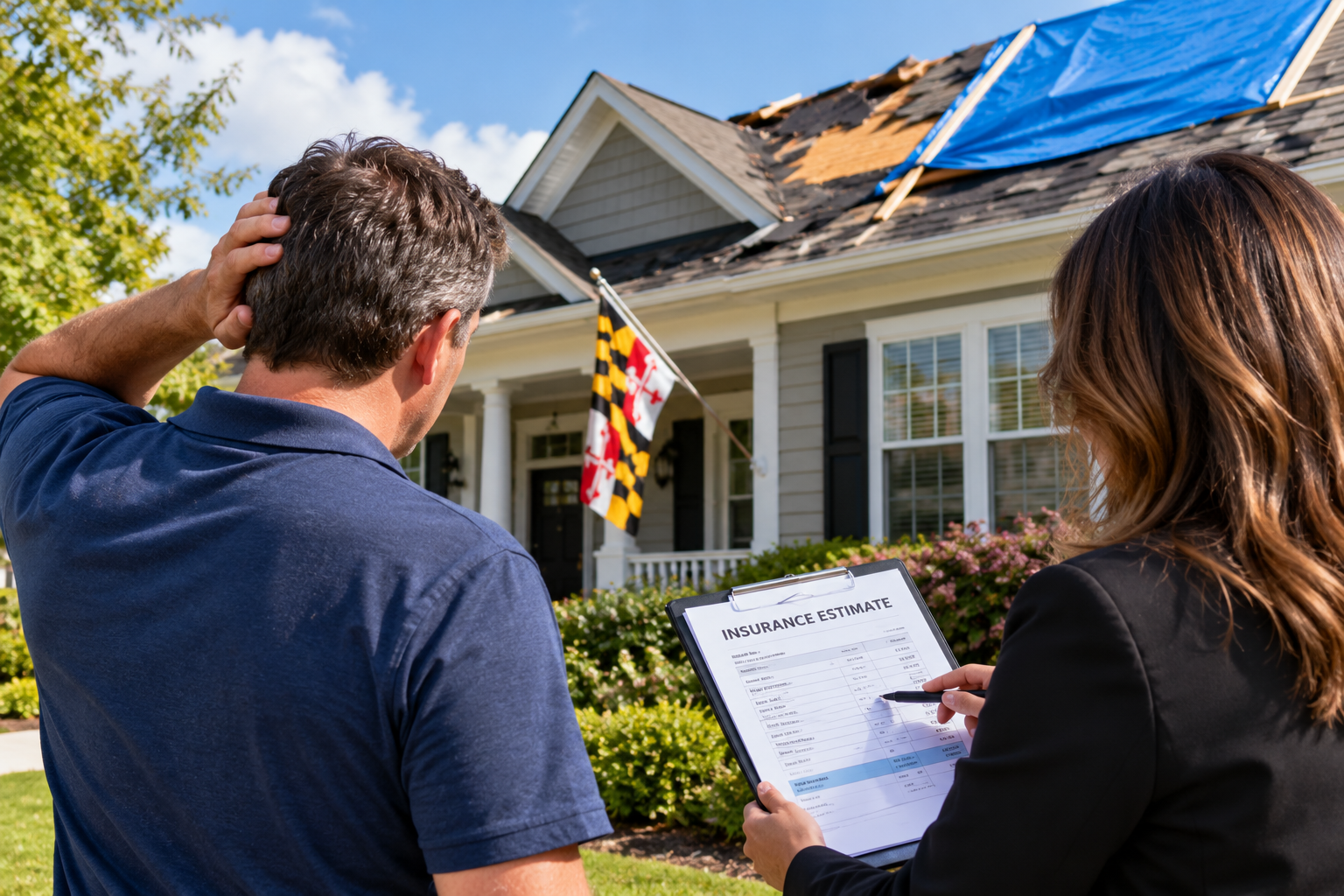
You’ve filed your property insurance claim, met with the insurance adjuster, and finally received a settlement offer. But when your contractor provides an estimate for the repairs, there’s a problem: the work costs considerably more than your insurance company has agreed to pay. Now you’re wondering whether you’ll have to cover the difference yourself.
For homeowners throughout Maryland, this situation can be frustrating, especially after experiencing a fire, severe storm, burst pipe, or another unexpected property loss. Fortunately, an initial insurance payment doesn’t always represent the final amount available under your policy.
If your insurance settlement is not enough to cover repairs, you may be able to submit additional documentation, request a supplemental insurance claim review, or challenge specific items in the insurer’s estimate. However, additional payment depends on your policy’s terms, the cause of the damage, and whether the additional expenses qualify for coverage.
Here are some important steps to consider:
- Compare repair estimates carefully. Identify differences between the insurance company’s assessment and your contractor’s proposed repairs.
- Document overlooked damage. Photograph additional damage, including moisture or structural issues discovered during repairs.
- Save your paperwork. Keep receipts, contractor reports, repair invoices, and communications with your insurer.
- Review your insurance policy. Check coverage limits, deductibles, exclusions, and deadlines for submitting additional information.
- Consider professional assistance. A public adjuster can evaluate an underpaid property insurance claim and negotiate with the insurer on your behalf.
At Mid Atlantic Public Adjusters, we help Maryland property owners navigate complicated insurance claims and understand their options when settlement offers don’t appear to reflect the full extent of covered damage.
Why Your Insurance Settlement May Be Lower Than Your Repair Costs
An insurance settlement may be lower than your repair costs because the insurer’s initial estimate doesn’t include every necessary repair, uses different pricing assumptions, or reflects policy restrictions. Understanding the reason for the difference is essential before determining whether additional compensation may be available.
Differences Between Insurance and Contractor Estimates
One common source of disagreement involves the insurance estimate vs contractor estimate. An insurance adjuster may calculate repairs using standardized pricing information, while a contractor evaluates the actual labor, materials, and work required to restore the property.
For example, a Baltimore homeowner might receive an estimate for replacing damaged drywall after a pipe leak. However, the contractor may determine that additional insulation, flooring, or moisture-damaged materials must also be replaced.
That doesn’t automatically mean the insurer’s estimate is incorrect, but it does provide a reason to review the differences. Itemized contractor documentation can help identify missing work or explain why certain repairs cost more than originally anticipated.
Hidden Damage Discovered During Repairs
Some property damage isn’t immediately visible during the initial inspection. Water can spread behind walls, beneath flooring, or into insulation, while storm damage may affect roofing components or structural materials that require further examination.
For homeowners in Towson, Columbia, and Ellicott City, discovering hidden damage during repairs can create unexpected expenses. When this happens, documenting the findings and notifying the insurance company promptly can help preserve the opportunity for additional review.
Policy Limits and Coverage Restrictions
Not every difference between a settlement and repair estimate represents an underpayment. Deductibles, policy limits, depreciation, exclusions, and coverage restrictions can all affect the amount an insurer pays.
Some policies also distinguish between actual cash value and replacement cost coverage. In certain circumstances, withheld depreciation may become payable after qualifying repairs are completed and the required documentation is submitted.
What to Do When Your Home Insurance Payout Is Too Low
When your home insurance payout is too low, begin by gathering the estimates, policy documents, and supporting evidence needed to identify the disagreement. Taking an organized approach can help you communicate specific concerns to the insurer instead of simply requesting a larger settlement.
1. Compare Both Estimates Line by Line
Start by reviewing the insurance company’s estimate alongside your contractor’s detailed repair proposal. Look for differences in material quantities, labor costs, repair methods, and the number of damaged areas included.
Pay particular attention to items that appear in the contractor’s proposal but not in the insurer’s estimate. Ask your contractor to explain why those repairs are necessary and provide supporting information whenever possible.
2. Document Additional Property Damage
Photographs, videos, and written observations can provide important evidence when damage was missed during the original inspection. If hidden moisture, damaged framing, or other problems emerge during repairs, document the conditions before they are covered or removed when safely possible.
For any property damage insurance claim, maintain a record of when the additional issues were discovered. Professional inspection reports, moisture readings, and contractor findings may also help explain the extent of the loss.
3. Save Receipts and Repair Records
Keep copies of contractor invoices, emergency repair receipts, material purchases, and correspondence with your insurance company. These documents can establish what work was performed, why it was necessary, and how much it cost.
Organizing everything in one location can make subsequent conversations more productive. It also reduces the chance of overlooking important documentation when requesting an insurance claim supplement.
4. Review Your Coverage and Claim Deadlines
Read your policy carefully to understand covered losses, applicable deductibles, exclusions, and limits. Also review any deadlines for submitting additional damage documentation, completing replacement-cost repairs, or pursuing a claim dispute.
If the policy language is unclear, ask the insurer for an explanation in writing. Different Maryland property insurance policies can contain substantially different requirements.
5. Request a Supplemental Review
An insurance claim supplement is a request for the insurer to consider additional repair costs or damage that may not have been included in its earlier evaluation. This may involve submitting photographs, revised estimates, inspection reports, and other supporting records.
Contact your claims representative to ask about the insurer’s specific supplemental review process. Request written clarification when certain repair items are disputed or additional payment is denied.
How Supplemental Insurance Claims Work in Maryland
A supplemental insurance claim allows a policyholder to request consideration of additional covered damage or repair expenses after an initial estimate or payment. The insurer reviews the new information and determines whether an adjustment is appropriate under the policy.
Consider a homeowner in Annapolis whose roof sustains storm damage. After the initial settlement, the roofing contractor discovers damaged decking that wasn’t visible during the original inspection.
The homeowner can document the condition, notify the insurer, and request consideration of the additional work before proceeding when circumstances permit. Depending on the policy and evidence, the insurer may approve additional covered repairs, request another inspection, or explain why the expenses aren’t covered.
The Maryland Insurance Administration advises policyholders to contact their insurer when they discover damage that hasn’t previously been reported or evaluated.
When Should You Contact a Public Adjuster?
Contacting a public adjuster may be helpful when your insurance settlement dispute involves significant estimate differences, overlooked damage, complicated coverage questions, or repeated disagreements with the insurer. These professionals represent policyholders rather than insurance companies during the property claims process.
At Mid Atlantic Public Adjusters, we work with homeowners, landlords, condominium owners, and commercial property owners throughout Maryland. Our services include reviewing insurance coverage, assessing property losses, documenting damage, preparing claim materials, and negotiating with insurers.
Whether you’re dealing with an underpaid insurance claim in Howard County, MD, or a disputed storm damage settlement in Baltimore County, we can evaluate the available information and help determine which issues deserve further attention.
Importantly, a public adjuster cannot guarantee a higher settlement or require an insurer to approve repairs outside your coverage. The goal is to present a thoroughly supported claim and pursue the benefits available under your policy.
Maryland requires public adjusters to be licensed, and homeowners should review the written contract and compensation terms before hiring one.
Common Mistakes That Can Complicate an Insurance Settlement Dispute
Insurance settlement disputes become more difficult when homeowners delay reporting additional damage, lack supporting documents, or misunderstand their policy provisions. Avoiding these common mistakes can help keep the claims process organized.
One mistake is assuming that every contractor expense must be covered by insurance. A contractor may recommend upgrades, improvements, or work unrelated to the insured loss, and those costs may not qualify for reimbursement.
Another mistake is completing extensive repairs before documenting newly discovered damage or notifying the insurer. Although emergency work may be necessary to prevent further loss, preserving evidence and maintaining clear records is essential.
Finally, don’t overlook differences involving building code requirements. Some repairs may need to meet current construction standards, but coverage for code-related upgrades often depends on whether the policy includes applicable ordinance or law provisions.
Frequently Asked Questions About Underpaid Insurance Claims in Maryland
1. Can I dispute an insurance settlement after receiving payment in Maryland?
Yes, receiving an initial payment doesn’t necessarily prevent further review of a property insurance claim. However, your rights and available options depend on your policy, any settlement or release documents you’ve signed, and applicable deadlines. Review these details before pursuing an additional payment.
2. What happens if my contractor’s estimate is higher than my insurance estimate?
You can ask your contractor to provide an itemized explanation of the differences and submit the supporting documentation to your insurer. The insurance company may reconsider eligible repair costs, but it isn’t automatically required to accept the contractor’s estimate.
3. Can I request additional insurance money for hidden water damage in Baltimore?
Additional payment may be available when newly discovered water damage resulted from a covered loss and qualifies under your policy. Photograph the damage, obtain contractor documentation, and notify your insurer promptly. Coverage can depend on the source and duration of the water intrusion.
4. How can a public adjuster help with an underpaid insurance claim in Howard County, MD?
A public adjuster can examine your policy, assess documented damage, identify potential differences in repair estimates, and present supporting information to the insurer. We help Howard County policyholders understand disputed claim items and pursue a settlement consistent with their insurance coverage.
5. Does Maryland require insurance companies to pay every repair expense?
No, insurance companies are generally responsible for paying covered losses according to the terms and conditions of the applicable policy. Deductibles, coverage limits, exclusions, depreciation, and other provisions may affect payment, even when the contractor’s repair estimate is higher.
6. What if my Maryland insurance company refuses to reconsider my settlement?
You can request a written explanation of the insurer’s position and review any dispute resolution provisions in your policy. Depending on the circumstances, you may consult a licensed public adjuster, contact the Maryland Insurance Administration, or seek legal advice about additional options.
Get Help Understanding Your Maryland Property Insurance Settlement
Discovering that your insurance settlement won’t cover your repair expenses can feel like facing the same property disaster twice. You’ve already dealt with the disruption of damaged walls, roofing, flooring, or personal belongings, and now you’re trying to determine how to pay for the work needed to restore your property. Fortunately, you don’t have to accept an unexplained difference between repair estimates without asking questions and exploring your options.
At Mid Atlantic Public Adjusters, we help Maryland policyholders evaluate damage, understand their coverage, and navigate complicated property insurance claims. Whether you’re in Parkton, Baltimore, Columbia, Ellicott City, Towson, Annapolis, or a surrounding community, we’re here to help you better understand the claims process and advocate for a settlement supported by your policy and documentation.
Contact Mid Atlantic Public Adjusters today to discuss your property damage insurance claim and schedule a consultation.