
Water Damage Insurance Claims in Baltimore: How a Public Adjuster Can Help Property Owners
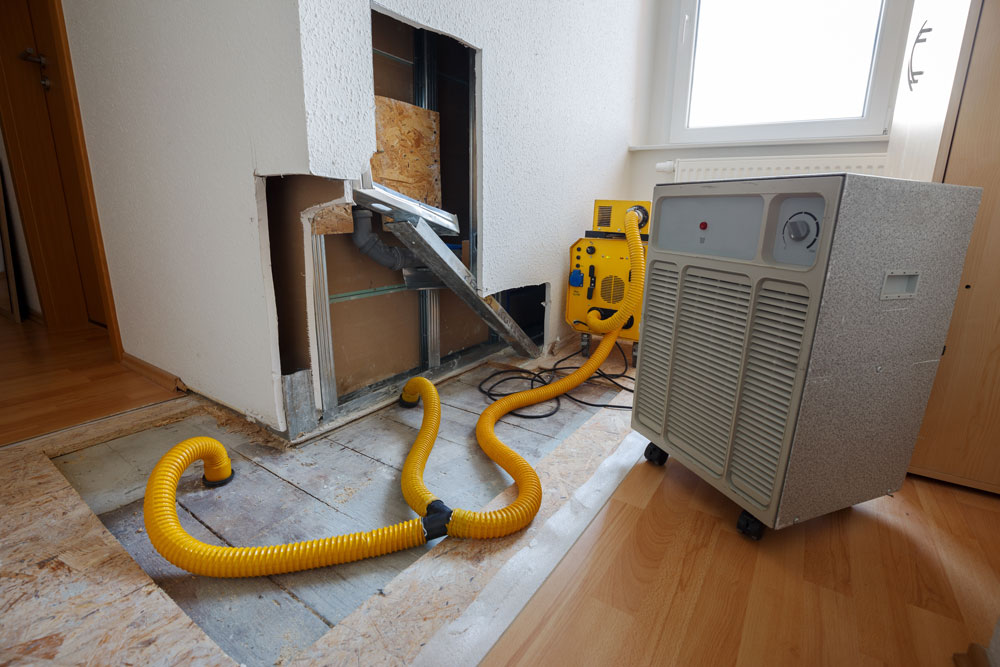
Water damage can turn into a complicated property insurance claim quickly, especially in older rowhomes, multifamily buildings, and commercial properties throughout Baltimore. A burst pipe, roof leak, appliance failure, or storm-related intrusion may leave property owners dealing with damaged materials while also trying to understand coverage, documentation requirements, and repair estimates.
A public adjuster can help property owners organize, document, and present a water damage claim while representing the policyholder’s interests during the insurance process. The goal is to identify covered damage, build a detailed claim, communicate with the insurance company, and help the property owner pursue the settlement available under the terms of the policy.
What local property owners should know
-
Water damage claims can involve more than visible standing water, including damage behind walls, under flooring, and inside ceilings.
-
Older rowhomes in neighborhoods such as Canton, Federal Hill, Hampden, and Charles Village may have plumbing, roofing, and building materials that make water losses more complicated to document.
-
Stormwater, roof drainage, plumbing failures, and winter pipe problems can create different insurance questions depending on how the water entered the property.
-
Property owners should document damage promptly and take reasonable steps to prevent additional loss when it is safe to do so.
-
A public adjuster works for the policyholder rather than the insurance company.
Why Water Damage Claims Matter for Baltimore Property Owners
Water damage claims matter for Baltimore property owners because dense construction, aging building systems, seasonal storms, and freezing winter temperatures can allow a relatively small water event to affect several areas of a property. Determining where the water traveled and what materials were damaged can be just as important as identifying where the leak started.
The city contains a wide range of properties, from historic rowhouses and converted multifamily buildings to newer apartments and commercial spaces. In tightly connected structures, water can travel through wall cavities, ceilings, flooring systems, and adjoining rooms before the full extent of damage becomes obvious.
Properties near the Inner Harbor and throughout the Chesapeake Bay region also experience periods of heavy rain and humid weather. These conditions do not automatically mean a loss is insured, but they can complicate drying, cleanup, and damage assessment after a covered water event.
Mid Atlantic Public Adjusters helps property owners navigate property insurance claims. After evaluating the circumstances of a loss and the applicable policy, we can help document the damage, organize supporting information, and communicate with the insurer on the policyholder’s behalf.
Local Field Observations About Water Losses
Local water losses often become more complicated when damage extends beyond the room where the initial leak or failure occurred. In our work with property claims, careful inspection and documentation are important because water can affect concealed building materials that may not be obvious during an initial walkthrough.
A supply line failure on an upper floor, for example, may affect flooring in one room, drywall below it, insulation inside an assembly, and finishes on the floor beneath. Similarly, a roof opening can allow water to travel along framing before stains become visible inside the property.
These are professional field observations rather than statistical claims. Every loss should be evaluated based on its specific cause, building conditions, policy language, and documented damage.
How Water Damage Can Affect a Local Property
Water damage can affect finishes, structural components, personal property, electrical areas, and the normal use of a home or business. For Baltimore property owners, the impact may be especially disruptive when several floors or units are involved.
Commonly affected materials can include drywall, plaster, hardwood, laminate, carpeting, insulation, cabinetry, trim, and ceiling finishes. Commercial properties may also face interruptions to tenant operations or access while damaged areas are dried and repaired.
The insurance claim should reflect the actual scope of covered damage rather than focusing only on the most visible stain, puddle, or broken component.
Warning Signs That a Water Damage Claim May Be More Extensive
Warning signs of a larger water loss include moisture appearing away from the original leak, damaged finishes, unusual odors, and changes in flooring or ceilings. Property owners should look beyond the immediate source when safely assessing the condition.
Common warning signs include:
-
Water stains spreading across a ceiling or wall
-
Hardwood or laminate flooring beginning to cup, swell, or separate
-
Paint or wallpaper bubbling after a leak
-
Soft or deteriorated drywall and plaster
-
Moisture appearing on a lower floor after an upstairs plumbing problem
-
Damaged cabinetry or baseboards near the affected area
-
Persistent damp or musty odors after visible water has been removed
-
Multiple rooms showing signs of the same water event
Visible conditions do not always show the complete extent of damage, so additional evaluation may be appropriate when moisture appears to have traveled into concealed areas.
When to Call a Public Adjuster
A property owner may consider calling a public adjuster when a water damage claim is substantial, difficult to document, disputed, or becoming difficult to manage directly with the insurance carrier. A public adjuster can help evaluate the loss from the policyholder’s perspective.
A small, straightforward claim may be manageable without outside claim representation. Larger losses can become more complicated when multiple rooms, floors, building systems, or categories of property are involved.
Professional help may also be useful when there are disagreements about the scope of damage, repair methods, estimates, or whether certain damaged materials relate to the covered event.
Common Causes of Local Water Damage Claims
Common water damage claims in the Baltimore area can result from plumbing failures, roof leaks, appliance problems, heating-system issues, and storm-related water intrusion. The cause of the damage matters because insurance policies may treat different types of water events differently.
1. Plumbing failures
Burst pipes, failed fittings, leaking supply lines, and other plumbing problems can release water quickly. Older buildings may contain plumbing systems that have been repaired or modified numerous times over the life of the property.
2. Frozen or damaged pipes
Winter temperatures can create pipe problems in poorly insulated areas, exterior walls, vacant properties, basements, and other vulnerable spaces.
3. Roof and flashing problems
Water entering through a damaged roof, flashing, or another opening may travel before appearing indoors. Rowhomes in neighborhoods such as Fells Point and Patterson Park can have roof configurations where tracing the source requires careful inspection.
4. Appliances and fixtures
Water heaters, washing machines, dishwashers, toilets, sinks, and refrigerator supply lines can all produce significant interior damage when a component fails.
5. Storm-related intrusion
Heavy rain and wind can expose weaknesses in roofs, windows, drainage systems, and exterior building components. Coverage depends on the circumstances and policy language, so the source of the water should be documented carefully.
Steps Property Owners Can Take After Water Damage
Property owners should prioritize safety, stop additional damage when reasonably possible, and document the condition before major cleanup or repairs change the scene. Careful early documentation can make the insurance claim easier to understand later.
Take photos and videos of affected rooms, damaged materials, and visible water when it is safe. Keep damaged items when practical until the insurance process allows disposal, especially when their condition may help demonstrate the loss.
Save invoices, emergency service records, mitigation documents, repair estimates, and communications related to the event. Avoid making assumptions about what is or is not covered before reviewing the policy and circumstances.
DIY efforts should stop when electrical hazards, contaminated water, unsafe ceilings, structural concerns, or significant concealed moisture may be involved.
What to Expect From a Public Adjuster
A public adjuster can help document the loss, review policy provisions, prepare claim information, and communicate with the insurer on behalf of the property owner. The exact services depend on the circumstances of the claim and the agreement between the property owner and adjuster.
For a significant Baltimore water damage loss, this process may include reviewing damaged areas, identifying potentially affected materials, organizing photographs and supporting records, developing a repair scope, and addressing claim questions with the carrier.
A public adjuster does not replace contractors or other specialists who may be needed to perform mitigation, testing, or repairs. Instead, the adjuster focuses on the insurance claim and the policyholder’s interests during that process.
Common Water Damage Claim Mistakes
Common claim mistakes include incomplete documentation, disposing of damaged materials too early, overlooking hidden damage, and accepting a scope without understanding what it includes. A more organized approach can reduce confusion during the claim.
Mistake: Photographing only the source of the leak.
Consequence: Damage in surrounding rooms or building assemblies may be poorly documented.
Better approach: Photograph the source, affected surfaces, nearby rooms, and the path the water appears to have traveled.
Mistake: Throwing away damaged materials immediately.
Consequence: Evidence supporting the extent of the loss may disappear.
Better approach: Document items thoroughly and confirm when disposal is appropriate.
Mistake: Focusing only on visible cosmetic damage.
Consequence: Related damage beneath flooring, above ceilings, or behind walls may receive less attention.
Better approach: Evaluate the full affected area when conditions indicate water may have traveled.
Mistake: Assuming every type of water damage is covered.
Consequence: Property owners may develop unrealistic expectations about the claim.
Better approach: Review the policy and specific cause of loss before drawing conclusions about coverage.
A Common Local Water Damage Scenario
A common local scenario involves a plumbing failure on an upper floor of a rowhome that damages more than one level before the water is shut off. The visible problem may begin in a bathroom or kitchen while staining and moisture later appear in ceilings, walls, and flooring below.
In this type of situation, the claim may need to account for several affected rooms and different building materials. The policyholder may also receive estimates that differ in scope or repair approach.
This example is a general scenario, not a Mid Atlantic Public Adjusters case study or a representation of any specific client result.
Related Public Adjuster Services
Public adjuster services can help property owners manage documentation and claim presentation when a water loss becomes complicated or substantial. Depending on the circumstances, we may assist with reviewing the policy, documenting property damage, preparing a detailed claim, evaluating estimates, and communicating with the carrier.
DIY Claim Handling vs. Working With a Public Adjuster
Handling a claim yourself may make sense for a minor and straightforward loss, while professional claim representation may be useful when the damage, documentation, or insurance process becomes complex. The right choice depends on the size and circumstances of the claim.
A property owner managing the claim alone is responsible for documenting the damage, reviewing insurer requests, evaluating estimates, tracking communications, and understanding applicable policy provisions.
When working with a public adjuster, the policyholder has a licensed claim professional representing their side of the insurance claim. Property owners should understand the adjuster’s services, agreement, and fees before hiring one.
Service Areas
We assist property owners in Baltimore and surrounding Maryland communities with property insurance claims, subject to the circumstances of the loss and our service availability. Property owners in Baltimore County and nearby communities can contact us to discuss whether public adjusting services are appropriate for their situation.
The Cost of Waiting on a Water Damage Claim
Waiting too long to address water damage can make documentation, mitigation, repair planning, and claim communication more difficult. Property owners should act promptly to protect the property and preserve information about the condition after the loss.
Damage can change as materials dry, repairs begin, or affected items are removed. Prompt photographs, records, and professional evaluations can help establish what happened and what portions of the property were affected.
Frequently Asked Questions About Water Damage Insurance Claims
Can a public adjuster help with a water damage claim in Baltimore?
Yes, a public adjuster can represent a Baltimore property owner during a water damage insurance claim. The adjuster may review the policy, document damaged property, prepare claim information, evaluate repair scopes, and communicate with the insurance carrier while representing the policyholder rather than the insurer.
Does homeowners insurance cover every type of water damage?
No, homeowners insurance does not automatically cover every type of water damage. Coverage depends on the cause of the loss, the policy language, exclusions, endorsements, and other circumstances. Sudden plumbing damage may be treated differently from flooding, groundwater, repeated leakage, or maintenance-related conditions.
What should I document after water damage in a Baltimore rowhome?
Document the source, affected rooms, damaged materials, and any areas where water traveled between floors or through walls. Take clear photos and videos before conditions change, preserve relevant receipts and invoices, and keep records of emergency mitigation or repairs performed at the Baltimore property.
When should I contact a public adjuster in Maryland?
Consider contacting a public adjuster when the claim is significant, involves several damaged areas, becomes disputed, or requires more documentation than you feel comfortable managing. Property owners can also seek help when they have questions about estimates, repair scopes, or communication with the insurer.
Can water damage spread between floors of a Baltimore rowhouse?
Yes, water can move between floors through ceilings, wall cavities, framing, openings around utilities, and other building assemblies. Because many Baltimore rowhouses have multiple levels and closely connected rooms, damage from an upstairs leak may become visible in areas below the original source.
Should I repair water damage before the insurance company sees it?
Take reasonable steps to prevent additional damage, but document the property carefully before permanent repairs significantly alter the condition whenever possible. Emergency mitigation may be necessary, especially when safety or continuing water intrusion is involved. Save photographs, damaged materials when practical, invoices, and repair records.
Can a public adjuster negotiate with my insurance company?
A public adjuster can communicate with the insurance company and advocate for the policyholder regarding the documented claim. This can include discussing the scope of damage, estimates, supporting documentation, and other claim issues. Coverage and payment remain governed by the insurance policy and circumstances of the loss.
Are storm-related water claims common concerns for Maryland property owners?
Storm-related water intrusion is an important concern for Maryland property owners because heavy rainfall and wind can expose vulnerable roofing, drainage, windows, and exterior components. Whether resulting damage is covered depends on how the water entered the property and the specific terms and exclusions in the insurance policy.
Protect Your Property and Your Water Damage Claim
A carefully documented claim can help Baltimore property owners understand the full extent of a water loss and communicate it clearly during the insurance process. We help policyholders navigate complicated property claims while keeping the focus on the documented damage and applicable policy.